Do LED Signs Need to Be Plugged In
Business Signage

Do LED Signs Need to Be Plugged In?

LED signs are becoming an increasingly popular signage option for businesses. However, they contain electrical components to illuminate the sign. That’s why many people wonder how they get their power. Do LED signs need to be plugged in? In short, yes, but the exact way an LED sign receives power depends on its design and where it’s installed. Here’s what you need to know.

Do LED signs need to be plugged in?

Yes, many standard LED signs require a plug-in power source to operate. That said, not every LED sign plugs into an outlet. Larger commercial signs are often hardwired into a building’s electrical system, and some portable models operate using rechargeable batteries or even solar power. 


Let’s take a closer look at the different ways LED signs are powered:


Plug-In LED Signs


Many small to medium-sized LED signs can plug into a standard wall outlet. These signs typically come with a low-voltage DC power adapter that converts household electricity into the lower voltage needed to power the LEDs. These signs are popular because they’re easy to install and don’t require any additional electrical work. 


Plug-in LED signs commonly include:


  • OPEN signs
  • Faux-neon LED signs
  • Decorative business signs
  • Reception or office signs
  • Some portable outdoor signs (i.e. event message boards, food trucks, vendor booths, seasonal displays, etc.)


Hardwired LED Signs

Most larger, permanent commercial LED signs are hardwired into a building’s electrical system rather than plugged into an outlet. This creates a clean, professional appearance by hiding the wiring and provides a reliable source of power to the sign. Hardwiring involves electrical connections, so installation is typically completed by a qualified electrician and may require electrical permits depending on local regulations.


Hardwired installation is common for:


Battery-Powered LED Signs

Some smaller LED signs can be powered by AA batteries or rechargeable USB-powered battery packs. These signs are portable; you can place them almost anywhere without needing immediate access to electricity. However, these signs generally aren’t intended for continuous daily operation, and are usually used for mobile displays, event-specific signs, or situations where cords might be a hazard.


Battery-Powered Signs are commonly used for:


  • Trade shows
  • Farmers’ markets
  • Pop-up shops
  • Special events
  • Temporary promotions


Solar-Powered LED Signs

Although less common, some LED signs can be powered using solar panels paired with battery storage. These systems rely on stored energy, which means they’re better for smaller signs with modest power requirements or in areas where running electrical service would be impractical or expensive.


Solar-powered signs might be used for:


  • Wayfinding signs
  • Park signage
  • Remote properties
  • Rural roads

Can I plug an LED sign into any outlet?

Not necessarily. While many plug-in LED signs can work with a standard household outlet, you should always check the manufacturer’s power requirements before plugging in your sign. Most LED signs include a power adapter that’s specifically matched to the sign’s voltage and electrical needs. Using the wrong power supply or plugging the sign into an unsuitable outlet could damage the sign or become a safety hazard. 


If the sign is intended for outdoor use, it should always be plugged into a properly rated outdoor outlet. Larger commercial LED signs are often hardwired into the building’s electrical system by a qualified electrician, rather than being plugged into an outlet. 


When in doubt, always follow the manufacturer’s installation instructions to ensure your LED sign operates safely and performs as intended. 

Are LED signs expensive to run?

Generally, no. One of the biggest advantages of LED signs is their energy efficiency. Compared to traditional lighting options like neon or fluorescent signs, LEDs use significantly less electricity while still providing bright illumination. The exact cost depends on several factors, including its size, brightness, and hours of operation, but for many businesses, the cost of running an LED sign is relatively low.


If you’re considering an LED sign for your business, our team can help you choose the right design and power configuration. Contact us today at National Neon Signs to get started!

Read More
Best Material for Backlit Signs
Business Signage

What is the Best Material for Backlit Signs?

The best way to make your business stand out? A backlit sign can help. Their bright, illuminated design makes them easy to see from a distance so your storefront stays visible long after the sun goes down. However, choosing the right material matters as much as creating the right design. A sign’s material affects everything from its brightness and durability to its weather resistance and overall appearance. 


So, what is the best material for backlit signs? In this post, we’ll dive into the most popular material options and the benefits of each.

What is a backlit sign?

A backlit sign is an illuminated sign that uses internal lighting, typically LEDs, to shine through a translucent face or lettering. Some common examples include illuminated channel letters, cabinet signs, monument signs, or pylon signs. By lighting the sign from within, backlit signs remain highly visible both day and night or in low-light conditions.


What is the best material for backlit signs?

There isn’t a single “best” material for every backlit sign.  The right answer varies depending on your goals, budget, the size of the sign and where it will be installed. Acrylic is a common material used for backlit signs, but other options include polycarbonate, flexible face fabric, glass, or aluminum.


Let’s take a closer look:


Acrylic

Acrylic is the most popular material used for backlit signs. Why? It offers excellent light diffusion, creating a smooth, even glow across the entire sign face. Unlike some of its counterparts that can create bright or dark spots, acrylic produces a clean, professional appearance. It is highly durable and weather-resistant so it works for both indoor and outdoor applications. Acrylic resists yellowing over time and is available in various colours, finishes, and thicknesses.


Polycarbonate

Polycarbonate is another popular choice, particularly for signs installed in areas where durability is a top priority. Offering similar light transmission to acrylic, polycarbonate is much more impact-resistant, making it less likely to crack or break. This is great for high-traffic areas, locations that experience severe weather, or areas prone to vandalism. Although more expensive than acrylic, its added strength makes it a worthwhile investment for some businesses. 


Flexible Face Fabric (Flex Face)

Flexible face fabric is best used for large illuminated signs, such as those found on shopping centres, roadside pylon signs, or commercial buildings. Rather than using rigid plastic panels, these tensioned sign faces are lightweight, durable, wind-resistant, and capable of spanning much larger areas than acrylic or polycarbonate. Flexible face materials provide consistent illumination across oversized signs while reducing the overall weight of the structure. 


Glass

Glass can be used for certain backlit signs, but isn’t as common as acrylic or polycarbonate. It offers a sophisticated, high-end appearance and excellent scratch resistance, making it popular for upscale office buildings, hotels, or architectural signage. However, glass is heavier, more fragile and costs more to manufacture and install than other material options. As a result, it’s usually reserved for specialized projects where aesthetics are the primary focus. While glass can be used outdoors, it’s less common for exterior backlit signs due to its weight, cost, and increased risk of breakage. 


Aluminum

Although aluminum is not generally used as the translucent face, it impacts the overall construction of a backlit sign. Aluminum is the most common material used for sign cabinets and frames because it is lightweight, corrosion-resistant, and extremely durable. A high-quality aluminum frame protects the internal lighting system while providing long-lasting support for the illuminated face. Since aluminum doesn’t rust, it performs exceptionally well in outdoor environments and requires minimal maintenance over its lifespan.


How long do backlit signs last?

A well-built backlit sign can last up to 10 years or more with proper care. Modern LED lighting systems often last between 50,000 and 100,000 hours, while the sign face and cabinet can last even longer when made from quality materials.


A professionally designed backlit sign made with high-quality materials can enhance your business’s visibility and strengthen your brand for years to come. For more information, contact National Neon Signs today!

Read More
How to Make an Illuminated Sign Last
Business Signage, Digital Signage

How to Make an Illuminated Sign Last?

Your illuminated sign attracts customers and strengthens your brand around the clock. You want your investment to stay functional for as long as possible, but, even the most high-quality signs won’t last forever. Like any outdoor fixture, storefront signs are constantly exposed to sun, rain, snow, and wind, and experience normal wear and tear over time. 


Fortunately, modern LED signs are durable and with a few simple maintenance habits, your sign can last many years. Let’s get into what affects the lifespan of an illuminated sign and how you can help extend its lifespan.

How long does an illuminated sign typically last?

The lifespan of a storefront sign depends on its construction and maintenance. Generally, a high-quality illuminated sign can last anywhere from 10 to 20 years or more, while the lighting components may need to be replaced sooner. Modern LED illuminated signs are particularly durable, many LED modules are rated to last 50,000 to 100,000 hours. 


What affects the lifespan of an illuminated sign?

The lifespan of an illuminated sign depends on the quality of its components, environmental conditions, location, and how well it’s been maintained. Modern LED signs are durable. However, certain conditions can shorten their lifespan if not addressed.


Some of the biggest factors that affect how long an illuminated sign lasts include:


  • Quality of Materials: Signs made with durable aluminum, high-quality acrylic, and commercial-grade LED components typically last longer than those made with lower-quality materials.
  • Weather Exposure: Rain, snow, UV rays, wind, and extreme temperature fluctuations can gradually wear down the sign’s exterior and its electrical components.
  • Location: Signs installed near busy roadways, construction sites, or industrial areas may accumulate dirt and debris more quickly, requiring more frequent cleaning and maintenance to preserve their lifespan.
  • Installation Quality: A properly installed sign is less likely to experience issues such as water intrusion, loose mounting hardware, electrical problems, or premature wear. 
  • Hours of Operation: Signs that remain illuminated 24 hours a day will generally experience more wear than those that are turned off at night or outside of business hours.
  • Routine Maintenance: Regular cleaning and inspections help keep your sign in good working condition, allowing minor issues to be addressed before they become major problems. Consistent maintenance can significantly extend the lifespan of your illuminated sign.

How to make an illuminated sign last?

Although illuminated signs are built to last, a little preventative maintenance can go a long way. By caring for your sign over the years, you can extend its overall lifespan and reduce the risk of costly repairs.


Here are a few simple ways to help your illuminated sign last longer:


Clean the Sign Regularly

Keeping your illuminated sign clean extends its lifespan and helps maintain its professional appearance. As needed, remove dirt, dust, bird droppings, and other debris using a soft cloth or sponge with mild soap and warm water. Stay away from abrasive cleaners or rough scrubbing pads, which could scratch the sign’s surface or damage protective finishes. 


Inspect the Sign for Damage

Every few months, inspect your illuminated sign for signs of wear or damage. Check for cracked panels, loose mounting hardware, rust or corrosion, or frayed wiring. Consider inspecting your sign after severe weather as high winds, heavy rain, or hail can loosen components and cause damage. Identifying and addressing small issues can help prevent more extensive repairs in the long run. 


Protect Electrical Components and Replace Failing LEDs

Ensure that all wiring, power supplies, and connections are properly sealed and protected from moisture, especially in outdoor environments where rain and snow can take a toll on your sign. When needed, promptly replace any dim, flickering, or failing LED modules as soon as they appear. Addressing these issues prevents additional strain on other components and reduces the risk of larger electrical failures over time.


Turn Off Your Sign When Appropriate

Turning off your sign during non-business hours or whenever practical can reduce wear and tear on the lighting system and improve energy efficiency. For added convenience, consider installing an automatic timer so your sign turns on and off according to a set schedule.


Schedule Professional Inspections

Having your sign inspected periodically by a qualified sign company can help identify hidden issues before they lead to costly repairs. A professional can inspect the electrical components, wiring, mounting hardware, weather seals, and the structural integrity of your sign to ensure everything is operating safely and efficiently. 


Ready to create a custom illuminated sign that’s built to last? Contact us at National Neon Signs today to get started.

Read More
How Can Signs Be Illuminated
Business Signage, Digital Signage, LED Signs, Neon Signs, Sign Profile

How Can Signs Be Illuminated?

Your business sign has a big job to do. It needs to attract attention, help customers find your location, and reinforce your brand identity at the same time. One of the best ways to improve your sign’s visibility and make a stronger first impression is to illuminate it. Illuminated signage helps your business stand out and ensures your sign is easy to see and read, even after dark! 

But how exactly can signs be illuminated? There are several methods available, each offering different styles and benefits. In this article, we’ll look at some of the most common ways you can illuminate your sign.

What is illuminated signage?

Illuminated signage is any sign that uses lighting to improve its visibility and readability. Visible around the clock, illuminated signs are considered one of the best effective forms of long-term advertising, and are used by businesses of all sizes.


How can signs be illuminated?

Signs can be illuminated in several different ways, depending on the desired look, brightness, and functionality. They can be lit using internal light sources like LEDs or neon, or via external lighting like spotlights or floodlights. 


Internal Illumination

These are some of the most common types of internal illumination, where the light source is built directly into the sign itself:


1. LED Illumination

 LED (light-emitting diode) lighting is the most popular choice for modern illuminated signage. LEDs are energy-efficient, long-lasting, and versatile, making them suitable for many different styles and applications, including:


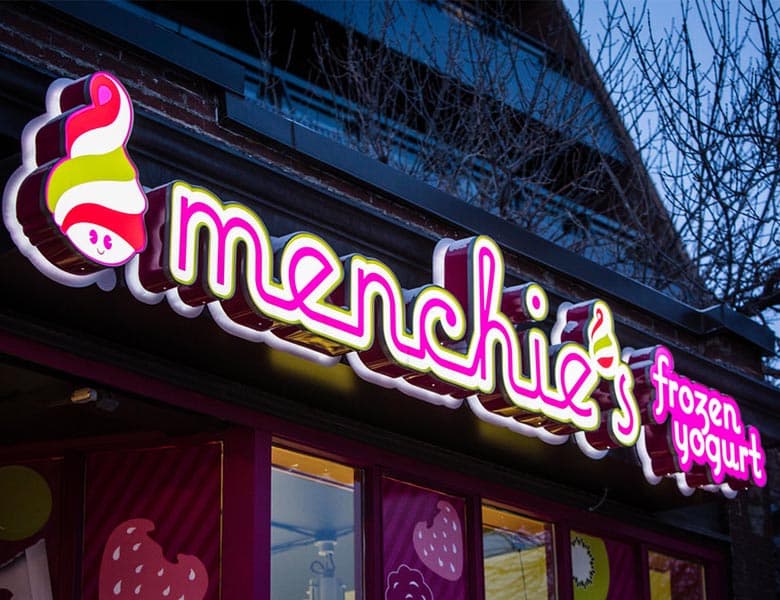
  • Channel Letter Signs: LEDs are commonly used in channel letter signs, where individual, three-dimensional letters are illuminated for a bold, professional appearance. These signs can be front-lit, back-lit (halo-lit), or both, depending on the desired effect.
  • Light Boxes: Light boxes, also known as cabinet signs, use LEDs inside the sign structure to illuminate the face from within. The result is a bright, glowing display that is highly visible both day and night.
  • Halo-Lit Signs: Halo-lit signage is a style where light is projected from behind the sign to create a soft glow or “halo” effect around the letters or design. Imost commonly used in channel letters, though it’s not limited to them. This lighting technique can also be applied to dimensional logos, brand panels, or other custom shapes for a modern, high-end appearance. 
  • Digital Displays: Digital signage is a modern extension of LED illumination that uses LED screens to create dynamic displays. Instead of static signs, businesses can update their messages or rotate content in real time.


2. Neon Illumination

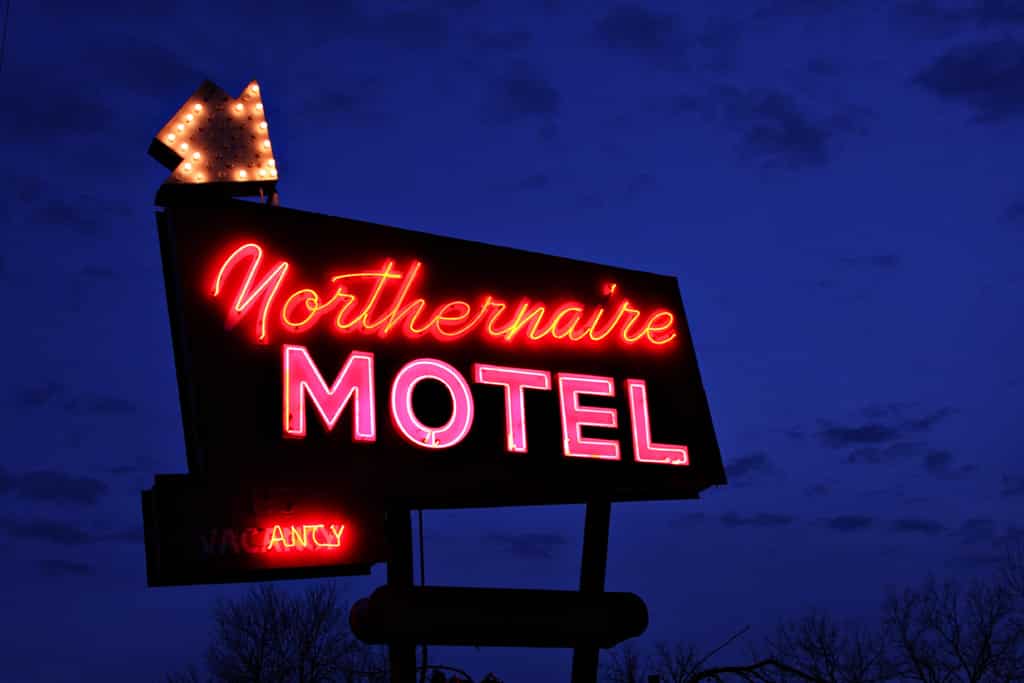
Neon signs have been used for decades and remain popular for their warm glow and nostalgic appeal. Traditional neon signs use glass tubes filled with gas that light up when electricity passes through them. Neon signs are often used by businesses such as:


  • Bars and pubs
  • Diners
  • Entertainment venues
  • Vintage-style businesses


While authentic neon signs are still available, many businesses now choose LED neon alternatives, which offer a similar visual effect while using less energy and requiring less maintenance. 


External Illumination 

In addition to internal lighting, signs can be illuminated externally using fixtures that direct light onto the face of the sign, such as:


1. Spotlight Illumination 

A spotlight produces a narrow, focused beam of light that is directed at a specific point. It might be used to highlight a particular sign, logo, or feature where you want concentrated illumination.


2. Floodlight Illumination 

A floodlight, on the other hand, produces a wide, broad beam of light that spreads over a larger area than a spotlight. It might be used to illuminate a bigger surface like a monument sign, building facade, or large outdoor signage. 


3. Gooseneck Lighting

A gooseneck light is a more decorative type of external lighting, with a long, curved arm shaped like a goose’s neck, hence the name. It is typically mounted above a sign and casts a soft light downward onto the sign face.


Do illuminated signs require a permit?

In most cases, yes, illuminated signs require a permit before installation. Because they involve electrical components and are mounted onto public-facing spaces, they are typically regulated by local municipal bylaws and building codes. Requirements can vary depending on the location and type of sign, so it’s important to check with your local municipality or work with a professional sign company to ensure all permits are properly obtained before installing your illuminated sign. 

There are many ways signs can be illuminated, and each method offers unique visual and functional benefits. If you’d like more information on choosing the right sign for your business, contact us today at National Neon to get started!

Read More
Illuminated Signage | What is Illuminated Signage? | What is Illuminated Signage in Canada?
Business Signage, Digital Signage, LED Signs, Neon Signs

What is Illuminated Signage?

In today’s competitive market, visibility matters more than ever. We live in a world with endless signs, advertisements, and other visual distractions, which are all competing for our interest, and one of the most effective ways for companies to attract attention is through illuminated signage. From glowing storefront logos to dynamic digital displays, illuminated signs help businesses stand out day and night.

But what exactly is illuminated signage, and why is it such an essential marketing tool? Keep reading to find out.

What is illuminated signage?

Illuminated signage refers to any type of sign that uses built-in lighting to improve visibility. These signs can be lit in several ways, including internal lighting, backlighting, edge lighting, or digital displays. Most modern illuminated signs use LED technology due to its high energy efficiency and durability. 

Illuminated signage combines design and lighting to create eye-catching displays that help businesses communicate more effectively with their customers. They are commonly used by restaurants, retail stores, entertainment venues, hotels, or office buildings. Because illuminated signs remain visible around the clock, they are often considered one of the most effective forms of ongoing business advertising. 


What are some common types of illuminated signage?

Illuminated signage comes in a wide range of styles, each designed to serve different branding and advertising needs. Some common types include:


  • Channel Letter Signs: These signs feature individually crafted three-dimensional letters that are internally lit. Businesses can choose from front-lit, back-lit, or combination-lit channel letters, depending on the look they want to achieve. 
  • Cabinet Signs: Illuminated cabinet signs, sometimes called box signs, contain internal lighting behind a translucent panel. The entire face of the sign lights up, making it easy to see both day and night.
  • Digital Signs: Digital LED displays allow businesses to update their messages instantly or rotate between different promotions and announcements. Some digital screens include interactive features like QR codes or touchscreen capabilities. These features are designed to engage customers and leave a lasting impression.
  • Neon Signs: Traditional neon signs are made using handcrafted glass tubes filled with gases such as neon or argon, which produce a bright, glowing effect when electrified. Because of their vibrant colours and nostalgic appeal, neon signs have experienced a major resurgence in popularity, particularly among businesses looking to create a retro atmosphere. Today, many modern neon-style signs are created using flexible LED tubing to create the classic neon look. However, authentic neon signs do exist and remain valued for their distinctive craftsmanship.
  • Monument Signs: Many commercial properties use illuminated, freestanding signs near entrances to enhance visibility from the road, especially at night.


What are the benefits of illuminated signage?

Illuminated signs provide several advantages for businesses of all sizes, including:


  • Increased Visibility: One of the biggest benefits of illuminated signage is improved visibility. Lighted signs are easier to see during nighttime hours or poor weather conditions, helping businesses remain noticeable 24/7.
  • Stronger Brand Recognition: A bright, professionally designed illuminated sign naturally attracts attention, helping customers notice and remember a company’s name, logo, colours, and overall branding. 
  • Professional Appearance: A high-quality illuminated sign helps create a polished, professional appearance and can elevate the overall appearance of a business property. Many companies use illuminated signs to create a more modern, welcoming look that builds customer confidence.
  • Customization: Illuminated signs are available in a wide variety of styles, colours, materials, and different lighting effects, so businesses can customize their signage to match their branding.
  • Energy Efficiency: LED signage is highly energy efficient and durable, reducing both operating and maintenance costs.

Do I have to illuminate my sign?

No, you don’t have to illuminate your sign, and whether or not your sign needs lighting might depend on business hours, location visibility, branding goals, or local regulations. Non-illuminated signs remain popular for many businesses, particularly those looking for a simple, cost-effective option. While these signs can still be highly effective, they do have certain drawbacks, particularly their limited visibility after dark. 

Illuminated signage is more than just a way to display your business name – it’s a powerful tool to help attract attention and create a lasting impression both day and night. For more information, contact us today at National Neon!

Read More
What Are the Glowing Signs Called | Glowing Signs for Businesses
Business Signage, Digital Signage, LED Signs, Storefront Signage

What Are the Glowing Signs Called?

If you’ve ever driven past a business area at night, you’ve probably noticed a bright, glowing sign on every storefront. These signs are more than just decoration. They’re a powerful marketing tool designed to help businesses stand out, attract attention, and stay visible long after the sun goes down. But what are these glowing signs actually called?

The short answer is illuminated signage. However, there are several different types of glowing signs, each offering its own unique style and purpose. 

In this guide, we’ll break down some of the most common types of illuminated signs and the key characteristics of each one.

What is illuminated signage?

Illuminated signage refers to any sign that uses lighting to enhance its visibility, especially during nighttime hours or in low-light conditions. These signs can be lit internally, externally, or from behind, depending on the desired effect. Most modern illuminated signs use LED lighting because of its high energy efficiency and long lifespan. 

You might hear illuminated signage casually called “glowing signs” because of their bright, glowing appearance, particularly after dark. They are commonly used for:

  • Retail storefronts
  • Restaurants and cafes
  • Hotels
  • Entertainment venues
  • Gas stations and convenience stores
  • Shopping centres
  • Medical clinics and pharmacies
  • Office buildings

What are some common types of glowing signs?

Glowing signs come in several different styles, each designed to improve visibility and strengthen brand recognition. Some common types of illuminated signs include:

Channel Letter Signs

Channel letters are individually crafted, three-dimensional letters that are mounted directly onto a building. Each letter is internally illuminated, usually with LED lighting. Businesses can choose from front-lit, back-lit, combination-lit, or open-face letters. These glowing signs offer a clean, professional appearance and are a popular choice amongst a wide variety of businesses.

Cabinet Signs

An illuminated cabinet sign, sometimes called a box sign, is a sign with an internal lighting system housed within a cabinet-shaped frame. The face of the sign is typically made from translucent acrylic so the light can shine through, creating a bright, glowing display. Cabinet signs are popular because they’re highly visible both day and night, and relatively cost-effective for larger signage.

Pylon Signs

Illuminated pylon signs are tall, freestanding signs that are typically mounted on one or two poles and positioned near roads, highways, or entrances to commercial properties. These large signs are designed to be highly visible from a distance, making them well-suited for attracting passing traffic along busy roadways.

Monument Signs

Glowing monument signs are freestanding signs, similar to pylon signs, but are shorter and closer to the ground. They are often placed near the entrance of a business, and built on a solid base, which gives the property a more refined, polished appearance.

Neon Signs

When you picture a classic, glowing sign, a neon sign might be the first thing that comes to mind. Traditional neon signs are made from hand-bent glass tubes filled with gas that lights up when electricity passes through them, giving them their warm, distinct glow. Today, many modern “neon” signs are actually created using flexible LED tubing designed to mimic the same iconic look. These LED versions offer the aesthetic appeal of traditional neon while being more energy-efficient, durable, and easier to maintain. That said, authentic glass neon signs still exist and continue to be used, especially in custom art pieces and specialty businesses.

LED Digital Displays

LED digital displays are modern illuminated signs that use high-resolution LED screens to show dynamic content such as text, images, or animations. Unlike static signs, these glowing displays can be updated quickly and remotely, allowing businesses to change messages or promotions in real time. 

What’s the difference between illuminated and non-illuminated signage?

The main difference between illuminated and non-illuminated signage comes down to visibility. Since illuminated signs use built-in lighting, they remain bright and readable, even at night or in poor weather conditions. These are what we would commonly refer to as “glowing signs”, because of the way they stand out with a bright, noticeable presence after dark.

Non-illuminated signs, on the other hand, do not light up themselves and rely entirely on external light sources (like sunlight) to be seen clearly. While they are still widely used and can be a cost-effective option for many businesses, the main limitation of a non-illuminated sign is its reduced visibility, especially after dark.

Ready to make your business stand out with a glowing sign? Contact us today at National Neon to get started!

Read More
What signs need to be illuminated
Business Signage, Digital Signage

What Signs Need to Be Illuminated?

An illuminated sign does more than simply glow at night. It improves readability, reinforces branding, enhances safety, and helps businesses stand out in competitive environments. Your sign plays an important role in helping people find information quickly and easily, and when a sign is illuminated, it remains visible no matter the time of day.

But what signs need to be illuminated? In some cases, illumination is legally required, particularly for safety and emergency signage. For most business storefront signage, it is a practical investment that improves customer experience. 

In this guide, we’ll look at which signs actually need to be illuminated, as well as the types of signs that simply benefit from better visibility after dark. 

What is illuminated signage?

Illuminated signage refers to any type of sign that uses lighting to improve its visibility. Signs can be illuminated internally, usually with LED lighting built into the sign itself, or externally using spotlights or floodlights. 

Some common types of illuminated signage include:

What signs need to be illuminated?

Many types of signs benefit from illumination, especially those that need to remain visible in low-light conditions. While some illuminated signs are required by law, others are used to improve overall nighttime readability.

Let’s take a closer look:

Safety and Emergency Signs

The signs that are most commonly legally required to be illuminated are safety and emergency-related signs, especially in commercial or public buildings. These might include:

  • Exit signs
  • Emergency exit route signs
  • Stairwell markers
  • Fire safety signage
  • Parking garage directional signs
  • Certain wayfinding signs
  • Hazard and caution signs

Pylon and Roadside Signs

For regular business signage, illumination is usually not legally required. Still, local bylaws or zoning regulations may require signs to meet certain standards for clarity and readability, especially roadside signs for businesses operating at night. More commonly, businesses choose to illuminate pylon signs and roadside signs for visibility and traffic exposure rather than because of a strict legal requirement. Without lighting, these signs become difficult to read after sunset, especially from a distance. 

Businesses that often use roadside signs include:

  • Gas stations
  • Hotels and motels
  • Shopping plazas
  • Fast food restaurants

Business Storefront Signs

Storefront signs are one of the most common types of signs that benefit from illumination. These signs, placed above or near an entrance, play a key role in identifying the business and attracting attention from pedestrians and passing traffic. While not usually legally required, illumination is a practical choice, especially for businesses that operate into the evening or after dark. 

Illuminated storefront signs are commonly used by:

  • Retail stores
  • Restaurants and cafes
  • Office buildings
  • Salons and spas
  • Grocery stores 
  • Entertainment venues
  • Service-based businesses

What signs don’t need to be illuminated?

Not all signs need illumination, especially if they’re used in low-traffic or well-lit environments. 

Some examples of non-illuminated signs might include:

  • Temporary signage (such as event signage or seasonal promotions)
  • Yard signs or real estate signs (such as “for sale” signs)
  • Construction signs (used only during daytime hours)
  • Interior signs in lit buildings (such as indoor office or store signs)
  • Residential address plaques

Some businesses choose not to illuminate their signs due to cost, maintenance, or design preferences. In many cases, using bold contrast, simple layouts, reflective materials, or external ambient lighting is enough to keep the sign readable and effective without built-in illumination. 

Do I need a permit for an illuminated sign?

Yes, in most cases, illuminated signs require a permit before installation, and whether or not your sign can be illuminated will depend on local bylaws and building codes. Some municipalities require illuminated signs for certain commercial properties, while others restrict brightness levels or operation hours. These requirements can vary depending on your location and the type of sign. Before installing illuminated signage, businesses should confirm permit requirements and zoning rules with their local municipality.

For more information on illuminated signs for your business, contact us today at National Neon!

Read More
How Much Does It Cost to Make a Sign for a Store
Business Signage, business signs

How Much Does It Cost to Make a Sign for a Store?

If you’re opening a new business or refreshing your current storefront, you’re probably wondering: How much does it cost to make a sign for a store? The answer isn’t always straightforward. Sign pricing can vary widely depending on materials, size, complexity, lighting and installation requirements. 


Understanding the expected costs for your shop sign can help you set a realistic budget and choose the right type for your business. In this guide, we’ll break down the typical price ranges for a storefront sign and what affects its pricing.

What is the average cost of a store sign?

The average cost of a storefront sign can vary significantly, but most fall between $2,000 and $5,000. However, this “average” sits in the middle of a much wider range. Basic, budget-friendly options can cost anywhere from $100 to $1,500, while more advanced or illuminated signs can range from $2,000 to $10,000 or more. 


Here are some rough price ranges for a few common types of storefront signage:


  • Basic Vinyl Banner Sign: around $100 to $500
  • Window Graphics or Decals: around $300 to $2,000
  • Small, Non-Illuminated Sign: around $800 to $4,000
  • Mid-Sized Illuminated Cabinet Sign: around $2,000 to $8,000
  • High-End Illuminated Channel Letters: around $6,000 to $15,000+
  • Large, Freestanding Pylon or Monument Sign: around $8,000 to $100,000+


Keep in mind, these are general guidelines to give an idea of what most businesses can expect, but the final cost of your sign may vary.

What affects the cost of a store sign?

The cost of a store sign depends on various factors, including materials, size, lighting, design complexity, and installation requirements. Let’s take a closer look:


1. Materials


The materials you choose play a major role in both the cost and longevity of your sign. High-quality materials tend to cost more but last longer and look more professional. 


Some options include:


  • Vinyl: affordable and versatile, used for banners and window graphics
  • PVC (Plastic): budget-friendly and lightweight, good for short-medium term use
  • Acrylic: sleek and modern, commonly used for dimensional lettering
  • Aluminum: durable, rust-resistant and ideal for long-term outdoor signage
  • Steel: strong and high-end, typically heavier and more expensive

2. Size


Larger signs require more materials and labour, increasing the overall cost. Many store signs are priced at least partially by square footage.

3. Lighting

Illuminated signs cost more upfront, but offer better visibility, especially at night. 


Some options include:


  • External lighting (spotlighting)
  • Internally illuminated cabinet signs
  • LED channel letters


Lighting can add anywhere from $200 to $5,000+, depending on complexity.

4. Design Complexity


A simple logo and text layout is more affordable than a highly customized design with multiple colours or textures. The more detailed the sign, the more time, materials and labour are required to produce it. 


Some elements that can increase your sign’s complexity (and cost) include:


  • Intricate logos or detailed graphics
  • Custom shapes or non-standard sizes
  • Dimensional lettering
  • Multiple colours or layered designs
  • Special finishes
  • Cut-out elements or negative space designs


Overall, designs with more detail and visual interest may help your sign stand out, but are typically more expensive than a simple, flat layout.

5. Installation Requirements

Installation costs can vary significantly depending on location and difficulty. For example, mounting a small sign on a flat wall might be relatively inexpensive, while installing a large sign at height or with electrical components will require specialized labour and equipment, adding to the cost. 


Some factors that influence installation costs include:


  • Sign Size and Weight: Larger, heavier signs require more labour, equipment and potentially additional structural support.
  • Height and Location: Signs mounted high on a building or over busy streets may require special cranes, lifts, or scaffolding to install.
  • Electrical Work: Illuminated signs need wiring, which may involve licensed electricians or additional inspection fees.
  • Mounting Surface: Uneven, fragile, or irregular surfaces can complicate installation.
  • Permits: Many municipalities require permits or inspections before you can install a storefront sign. 


Investing in a quality store sign is a long-term asset for your business. Working with an experienced sign company ensures your sign attracts customers and enhances your brand for years to come. Contact us at National Neon for more information!

Read More
Big Store Signs | What Are the Big Store Signs Called
Business Signage, business signs

What are the Big Store Signs Called?

Walk through any commercial area, and one thing immediately stands out: big, bold signs on every storefront.  These signs aren’t just for decoration.  They’re designed to capture attention and leave a lasting impression on the viewer.  But what are these big store signs actually called?


There are actually several types of storefront signs, and if you’re designing one for your business, you’ll want to know what kind you’re looking for.  Let’s break down the most common types and see which one might be the best fit for your business.

What are the big store signs called?


A storefront sign is a general term that refers to any sign mounted on the front of a business, typically above the entrance.  These signs display a company’s name or logo and are often the first thing customers notice when they pass by or approach the building.  However, there are several types of storefront signs.  


Let’s take a closer look:


1. Channel Letter Signs


Channel letters are three-dimensional, individually crafted letters mounted on a building’s exterior.  Each letter is its own unit, with a metal body and an acrylic face.  Channel letters are often illuminated with LED lighting, making them highly visible both day and night.  


Channel letters are a popular choice amongst a wide variety of businesses, including:


  • Restaurants and cafes
  • Chain businesses
  • Office buildings and professional services
  • Shopping centres and malls


2. Cabinet Signs


Cabinet signs, or box signs, are large, enclosed sign structures with a durable frame and translucent face that allows light to shine through.  They’re typically illuminated from within, which makes them easy to read both day and night.  While they may not have the same modern, dimensional appeal as channel letter signs, cabinet signs are a more cost-effective option.


Because of their affordability and practicality, cabinet signs are often used by:


  • Small businesses and local shops
  • Restaurants and takeout locations
  • Convenience stores or gas stations
  • Service-based businesses like salons or repair shops


3. Blade Signs


Blade signs, or projecting signs, extend outward from a building, perpendicular to the wall.  These double-sided signs are particularly useful in pedestrian-heavy areas, since they are visible from multiple angles rather than just straight on.  Blade signs are often smaller than other storefront signs, but what they lack in size, they make up for in strong visibility in high foot-traffic areas.


Blade signs are commonly used by businesses in walkable shopping districts or busy downtowns, including:


  • Boutiques or specialty retail shops
  • Cafes, coffee shops, or small restaurants
  • Salons or barber shops
  • Bookstores or gift shops


4. Pylon Signs


Pylon signs, or pole signs, are the tall, freestanding structures you typically see near roads or highways.  They are mounted on one or two poles and are designed to be visible from a distance.  Some pylon signs near shopping centres might display multiple businesses located within the same complex.  


Pylon signs are meant to catch the eye of fast-moving traffic, and are commonly used by:


  • Gas stations and convenience stores
  • Hotels and large commercial properties
  • Retail plazas
  • Fast-food restaurants and drive-thru locations
  • Large retail stores located near busy roadways


5. Monument Signs


Monument signs are freestanding signs, similar to pylon signs, but are shorter and closer to the ground.  They are typically built on a solid base, giving them a more permanent, refined appearance.  Monument signs are often constructed from durable materials like brick, stone, concrete or metal, allowing them to blend with the surrounding architecture.


Monument signs are commonly used by:


  • Office buildings
  • Medical clinics or dental offices
  • Schools, churches, or community centres
  • Residential developments and apartment complexes
  • Upscale retail centres


Are there other types of signs?


Yes, we’ve covered many of the most common storefront options, but there are other types of signage that businesses can use, depending on their needs, including:


  • Digital Signs: Electronic displays that can rotate messages or update content in real time
  • Window Graphics: Vinyl decals or perforated films applied directly to windows
  • Awnings: Fabric or metal coverings that extend over a storefront 


Do I need a permit for a large store sign?

Usually, yes, most cities and municipalities require permits for large store signs.  Requirements typically cover size, placement, lighting and sometimes design. Always check your local area’s regulations before installing any storefront signage.  


Ready to make your vision come to life?  Contact us today at National Neon Signs!

Read More
What are Current Trends in Sign Design
Business Signage, Digital Signage

What are Current Trends in Sign Design?

Like the rest of the world, trends in sign design continue to evolve, driven by technological advancements and shifting consumer expectations. In a landscape saturated with information, a great sign isn’t just about being seen, it’s about being remembered. 


So what are the current trends in sign design? Today’s modern signage combines a balance between innovation and simplicity. Right now, it’s all about blending clean, bold visuals with smart tech and personalized features. The result? Signage that captures attention and leaves a lasting impression.


Let’s break it down.

What are the current trends in sign design?

Current trends in sign design focus on bold, clean visuals, sustainable materials, and interactive features. The goal is to create signage that not just stands out, but truly connects with people. 


Let’s take a closer look:

1. Minimalist Design

Minimalism continues to be a dominant force in sign design especially for the storefront signage, with a growing emphasis on clarity and functionality over pure aesthetics. Key elements of minimalist design include:


  • Clean lines
  • Simple shapes
  • Limited colour palettes
  • Plenty of white space


The result is signage that feels intentional, helping viewers quickly absorb important information without distraction.


2. Bold Typography


Combining bold, distinctive fonts with vibrant colours ensures maximum visibility and lasting impact. Today, designers are experimenting with:


  • Oversized fonts
  • Handcrafted or “imperfect” lettering
  • Creative font pairings
  • High-contrast colours


Some brands are using prominent typography to replace imagery altogether. 


3. Sustainable Materials


Sustainability is no longer just a trend , it has become a standard for modern sign design. Businesses are increasingly choosing eco-friendly materials that reduce environmental impact while still looking polished and professional such as:


  • Recycled or reclaimed materials, like wood, metals, or plastics
  • Low-VOC paints and coatings
  • LED lighting
  • Biodegradable substrates


Using sustainable materials demonstrates social responsibility and appeals to environmentally conscious customers.


4. Interactive Digital Signage


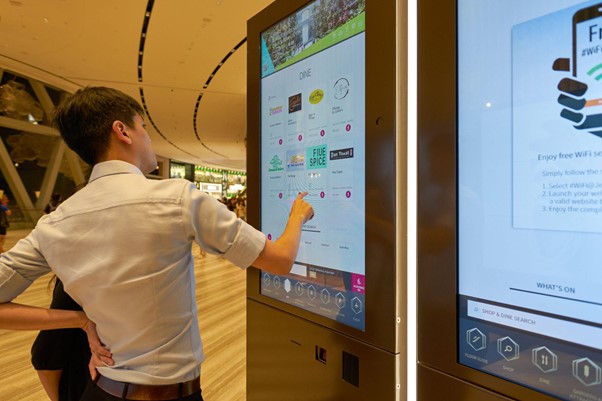
Interactive and digital signage is changing the way brands communicate with their audiences. The goal is to turn passive viewers into active participants by providing real-time updates and creating memorable experiences. Key features include:


  • Touchscreens and kiosks
  • Motion-triggered animations
  • QR code integration
  • Augmented reality (AR) elements


Some smart interactive signs can even adapt to user behaviour, offering personalized content that makes each interaction feel unique for the consumer.


Are sustainable signs really worth the cost?


Yes, investing in sustainable signage can be more expensive upfront, but the benefits often outweigh the initial cost. A sustainable sign not only reduces your business’s environmental impact, but it also sends a strong message about your brand values, which resonates with many consumers.


Some advantages include:


  • Enhanced Brand Image: Shows your commitment to social responsibility
  • Long-Term Savings: Durable, high-quality materials often last longer and reduce replacement costs
  • Customer Appeal: Consumers increasingly prefer businesses that prioritize sustainability
  • PR Opportunities: Eco-friendly initiatives can be highlighted in marketing and community outreach


Ultimately, a sustainable sign is a long-term investment in both your brand and the environment. 

Is digital signage worth it for small businesses?


Yes, digital signage is no longer just another idea for big brands; small businesses are discovering that it can be a powerful tool to attract attention and engage customers. Even a single screen can make a noticeable impact when used strategically, allowing small businesses to communicate promotions and highlight products in real time.


Why a digital sign is worth considering:


  • Dynamic Content: Customize or update your sign content or message instantly to display current sales or important announcements
  • Cost-Effective: Minimizes the need to reprint flyers, posters, and static signage, reducing waste and saving money
  • Flexible and Scalable: Easy to add screens or adjust messaging as your business grows
  • Engages Customers: Bright, moving displays naturally draw attention and keep viewers interested


Fortunately, digital signs have become more affordable, making them attainable for small businesses in ways they weren’t even five to ten years ago. 


If you’re thinking about updating your current signage or starting something new, working with an experienced sign company can help bring these ideas to life in a way that reflects current trends while staying true to your brand and long-term goals. Contact us today at National Neon Signs for more information.

Read More