Alternatives to Neon Signs Canada
Neon Signs

What Are Alternatives to Neon Signs?

Advances in technology such as LED lighting have introduced a range of alternatives, each offering their own unique advantages alongside traditional neon. While they still have their place today, they aren’t the only option for creating attractive, eye-catching signage. Advances in technology such as LED lighting have introduced alternatives that are more energy-efficient and durable than traditional neon. Nowadays, LED neon signs, illuminated channel letters, or cabinet signs each offer their own unique advantages. 


In this post, we’ll explore some of the most popular alternatives to traditional neon signs and help you decide which option might be best for your business.

What’s the difference between an LED and a neon sign?

Although LED and traditional neon signs can produce a similar glowing effect, they’re made using very different technologies.


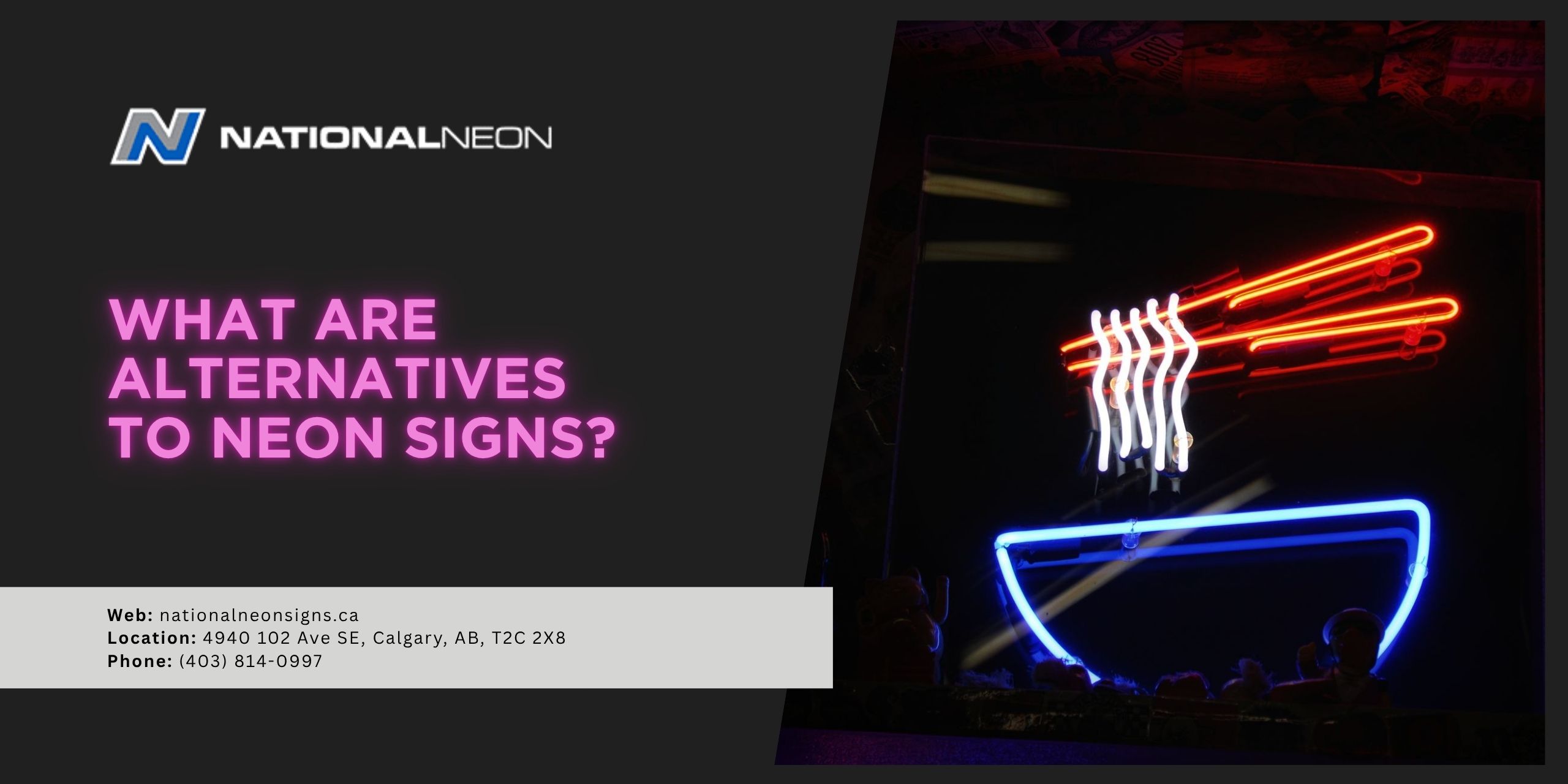
  • Traditional neon signs are made from handcrafted glass tubes filled with neon or other inert gases. When an electrical current passes through the gas, it emits the familiar, bright glow that neon signs are known for. Because they’re made from glass, neon signs are more fragile and typically require specialized repairs if they’re damaged. 
  • LED signs use light-emitting diodes (LEDs) as their light source. When electricity passes through the LEDs, they emit a bright, consistent light while using very little energy. Because LEDs are durable and highly versatile, they can be used in a wide variety of sign styles while keeping energy consumption low.


What are alternatives to neon signs?

The best all-around alternative to a traditional glass neon sign is LED neon. Sometimes called faux neon, it replicates the classic look of a neon sign. Other options include channel letters, cabinet signs, backlit acrylic signs, and digital LED displays.


Let’s take a closer look:


LED Neon

Instead of using glass tubes filled with gas, LED neon signs use flexible LED strips encased in silicone or PVC tubing to recreate the vibrant, 360-degree glow of a neon sign. They’re more durable, use less electricity, and generally require less maintenance than traditional neon without losing the classic charm of traditional neon signage.


Channel Letters

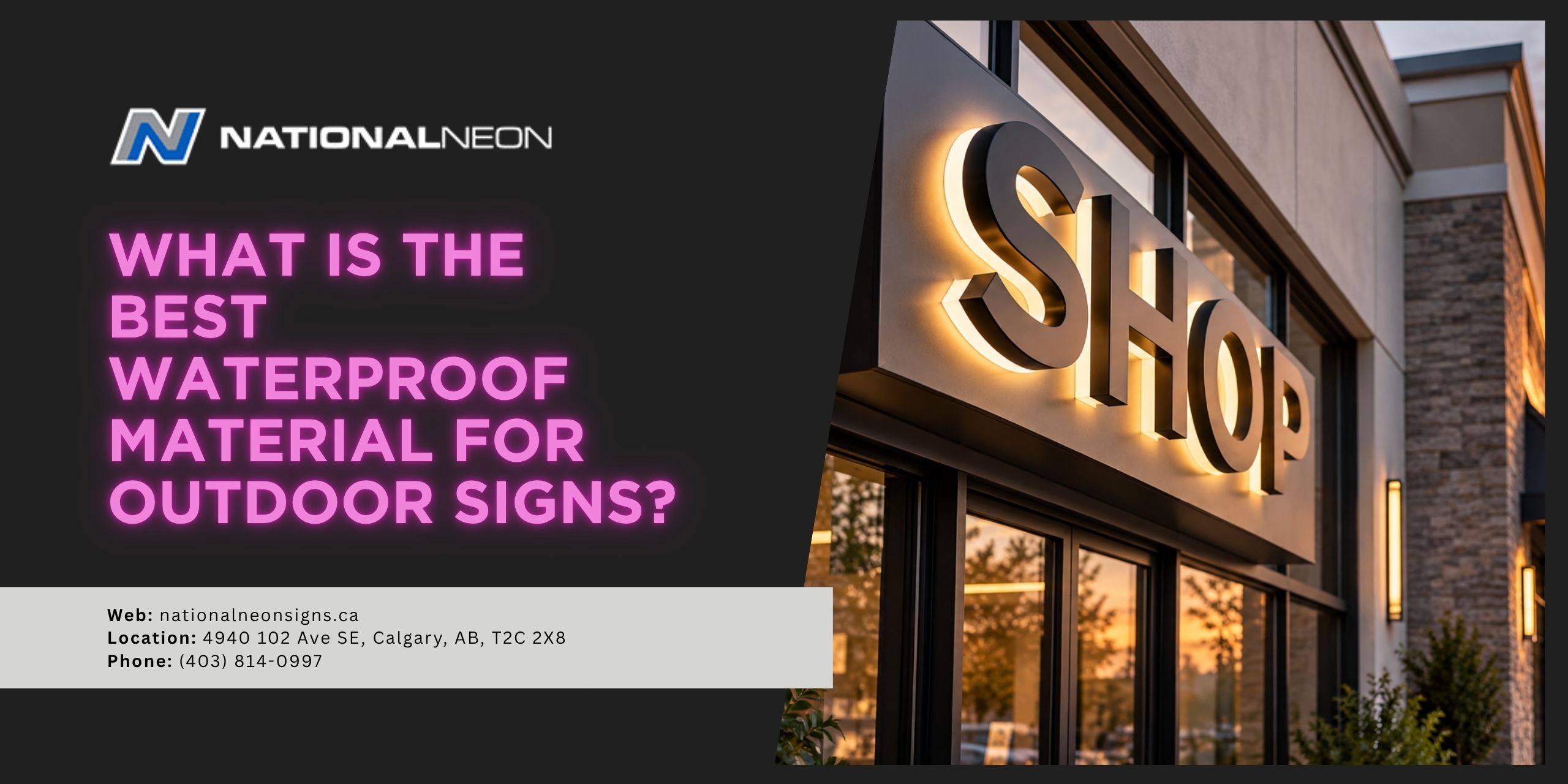
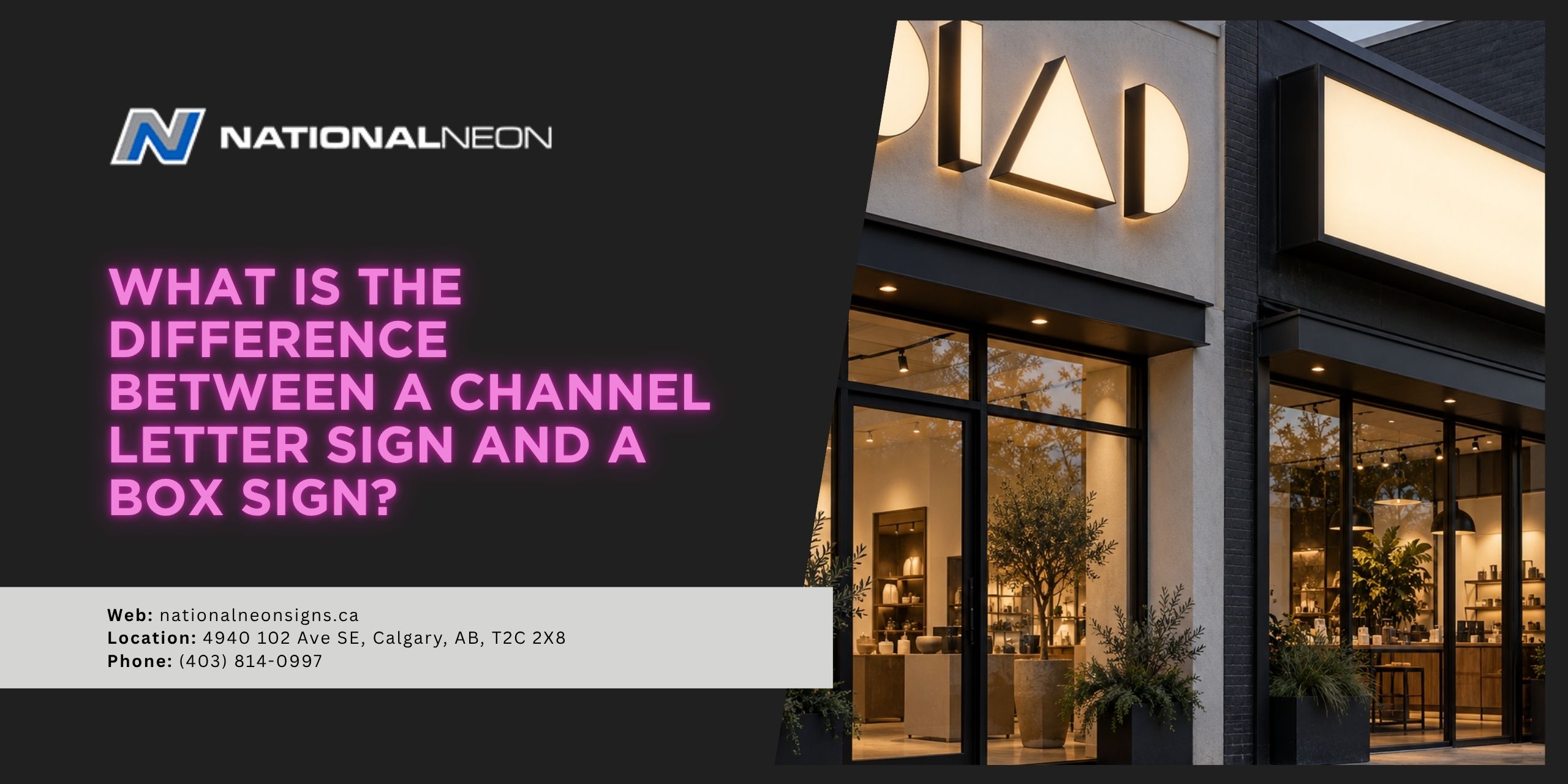
One of the most popular choices for business signage is illuminated channel letters. These signs consist of individually crafted three-dimensional letters, each of which is internally lit using LED lighting. One of the key advantages of channel letters is their versatility in lighting styles: They can be front-lit, where the face of each letter is illuminated for maximum brightness, halo-lit (or reverse-lit), where the light is directed backward to create a sophisticated glow around each letter, or combination-lit, combining both styles for a striking effect. Channel letters offer a clean, professional appearance, and can be customized to suit each business’s unique brand and aesthetic.


Cabinet Signs

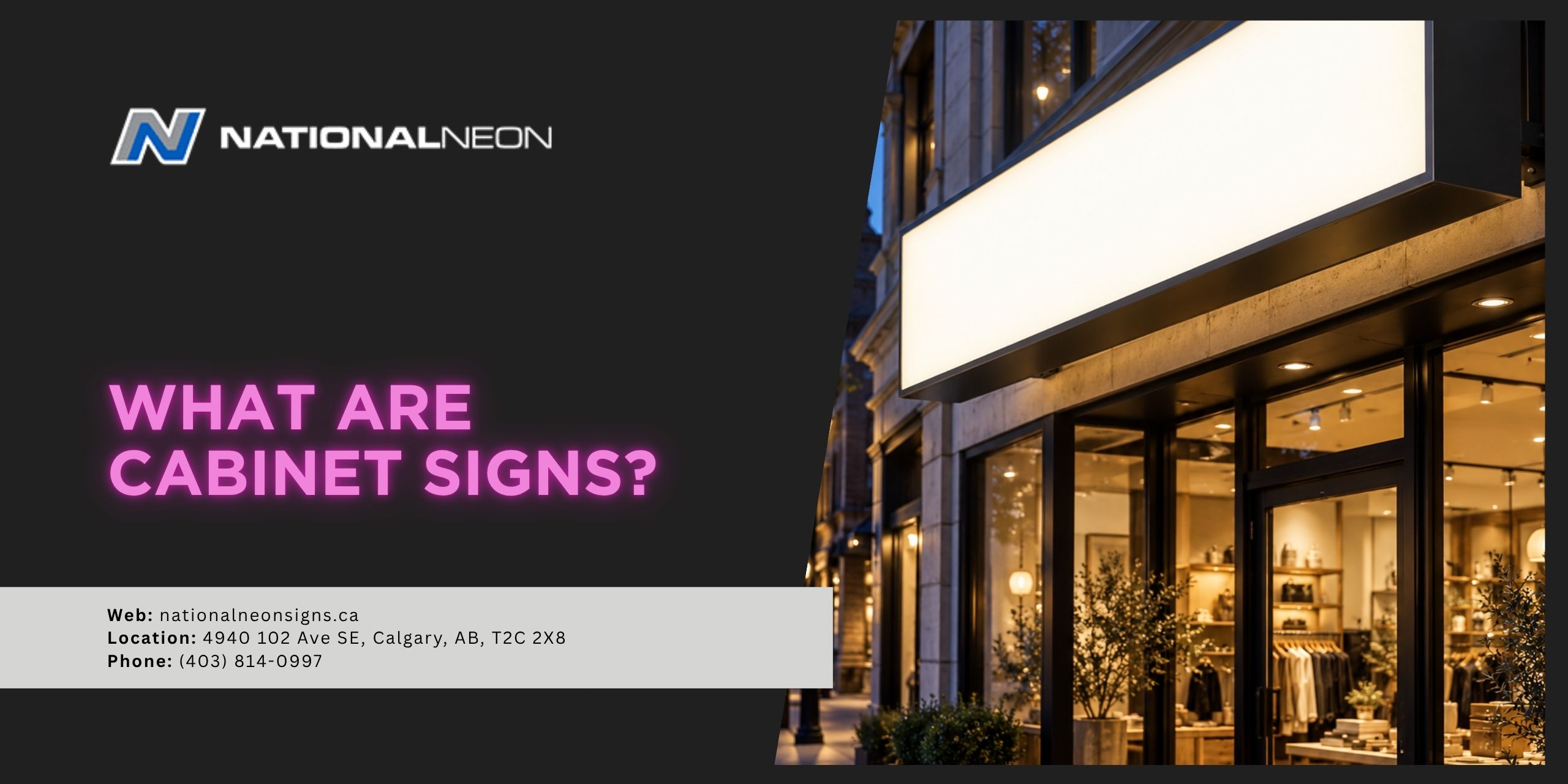
Illuminated cabinet signs, also known as box signs, feature a durable aluminum frame, an internal lighting system, and a translucent sign face that can display a business’s name, logo, or other graphics. Practical for businesses that want maximum visibility, they are easy to read both day and night, even from a distance. Cabinet signs are an affordable illuminated signage option valued for their durability and low maintenance requirements.


Backlit Acrylic Signs

Backlit acrylic signs offer an upscale, modern alternative to traditional illuminated signage. They use LEDs mounted behind clear or frosted acrylic panels, creating a soft, even glow (or “halo”) around logos or lettering. Backlit acrylic signs are highly popular for storefronts, reception areas, salons and spas, corporate offices, or medical clinics because they provide a sleek, high-end aesthetic.


Digital LED Displays

LED Digital displays offer a completely different approach to illuminated signage because they let businesses to update their messaging at any time. Unlike traditional neon signs, which are fixed in both design and message, these displays can be changed instantly without replacing any physical components, making them a highly practical option for businesses that want dynamic, attention-grabbing signage that can evolve with their needs. 


Are neon signs still used today?

Yes, traditional neon signs are still used today. While LED alternatives have become more common, many businesses still choose neon for its distinctive, handcrafted look and warm, nostalgic glow that’s difficult to replicate. They’re especially popular in bars, restaurants, and retro-style branding and continue to be appreciated by customers for their iconic look and feel.


The best alternative to a neon sign comes down to your business and specific needs. Working with an experienced sign company can help you compare options and choose the best solution for your budget and goals. For more information, contact us today at National Neon Signs!

Read More
Do LED Signs Need to Be Plugged In
Business Signage

Do LED Signs Need to Be Plugged In?

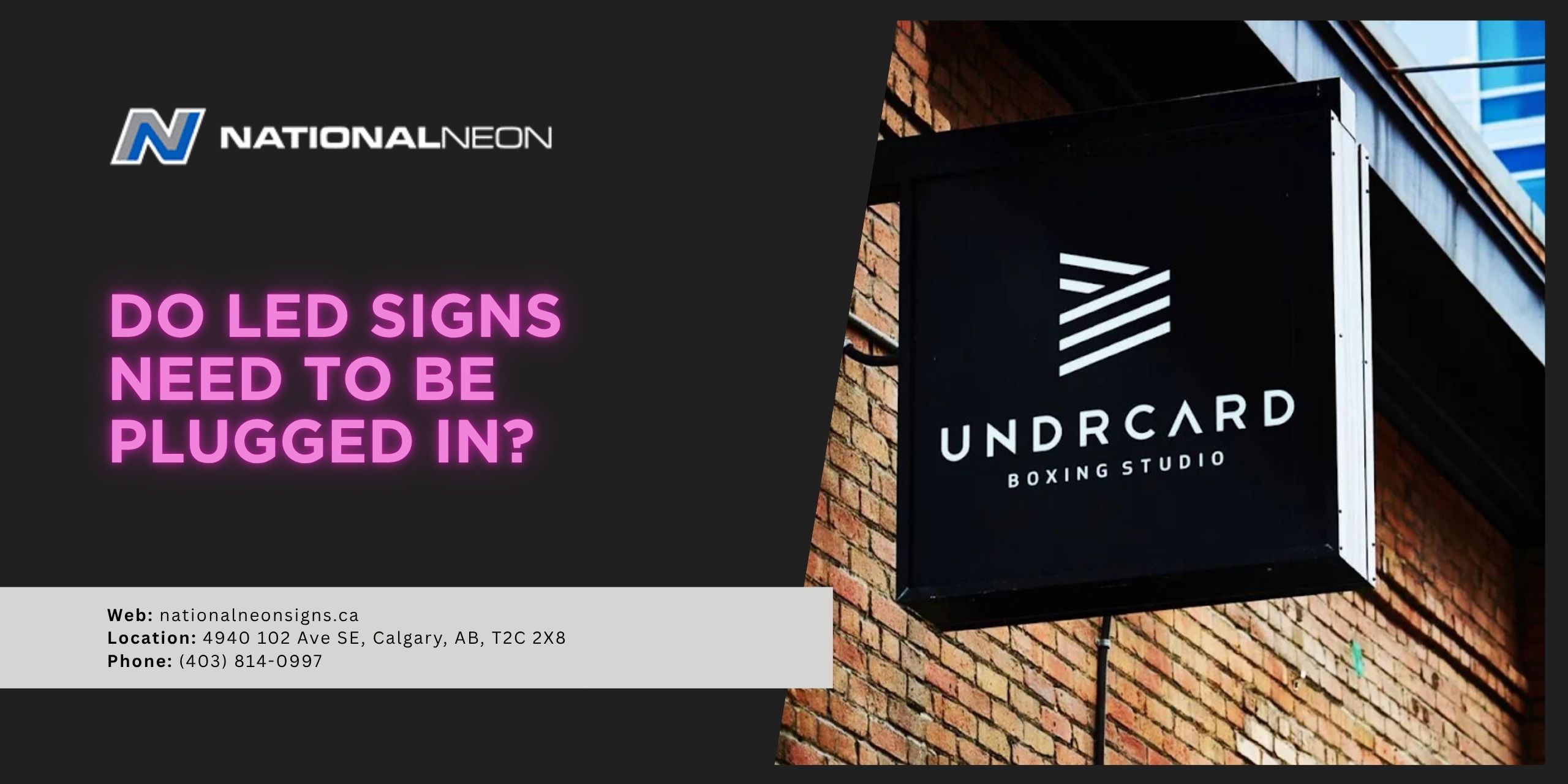
LED signs are becoming an increasingly popular signage option for businesses. However, they contain electrical components to illuminate the sign. That’s why many people wonder how they get their power. Do LED signs need to be plugged in? In short, yes, but the exact way an LED sign receives power depends on its design and where it’s installed. Here’s what you need to know.

Do LED signs need to be plugged in?

Yes, many standard LED signs require a plug-in power source to operate. That said, not every LED sign plugs into an outlet. Larger commercial signs are often hardwired into a building’s electrical system, and some portable models operate using rechargeable batteries or even solar power. 


Let’s take a closer look at the different ways LED signs are powered:


Plug-In LED Signs


Many small to medium-sized LED signs can plug into a standard wall outlet. These signs typically come with a low-voltage DC power adapter that converts household electricity into the lower voltage needed to power the LEDs. These signs are popular because they’re easy to install and don’t require any additional electrical work. 


Plug-in LED signs commonly include:


  • OPEN signs
  • Faux-neon LED signs
  • Decorative business signs
  • Reception or office signs
  • Some portable outdoor signs (i.e. event message boards, food trucks, vendor booths, seasonal displays, etc.)


Hardwired LED Signs

Most larger, permanent commercial LED signs are hardwired into a building’s electrical system rather than plugged into an outlet. This creates a clean, professional appearance by hiding the wiring and provides a reliable source of power to the sign. Hardwiring involves electrical connections, so installation is typically completed by a qualified electrician and may require electrical permits depending on local regulations.


Hardwired installation is common for:


Battery-Powered LED Signs

Some smaller LED signs can be powered by AA batteries or rechargeable USB-powered battery packs. These signs are portable; you can place them almost anywhere without needing immediate access to electricity. However, these signs generally aren’t intended for continuous daily operation, and are usually used for mobile displays, event-specific signs, or situations where cords might be a hazard.


Battery-Powered Signs are commonly used for:


  • Trade shows
  • Farmers’ markets
  • Pop-up shops
  • Special events
  • Temporary promotions


Solar-Powered LED Signs

Although less common, some LED signs can be powered using solar panels paired with battery storage. These systems rely on stored energy, which means they’re better for smaller signs with modest power requirements or in areas where running electrical service would be impractical or expensive.


Solar-powered signs might be used for:


  • Wayfinding signs
  • Park signage
  • Remote properties
  • Rural roads

Can I plug an LED sign into any outlet?

Not necessarily. While many plug-in LED signs can work with a standard household outlet, you should always check the manufacturer’s power requirements before plugging in your sign. Most LED signs include a power adapter that’s specifically matched to the sign’s voltage and electrical needs. Using the wrong power supply or plugging the sign into an unsuitable outlet could damage the sign or become a safety hazard. 


If the sign is intended for outdoor use, it should always be plugged into a properly rated outdoor outlet. Larger commercial LED signs are often hardwired into the building’s electrical system by a qualified electrician, rather than being plugged into an outlet. 


When in doubt, always follow the manufacturer’s installation instructions to ensure your LED sign operates safely and performs as intended. 

Are LED signs expensive to run?

Generally, no. One of the biggest advantages of LED signs is their energy efficiency. Compared to traditional lighting options like neon or fluorescent signs, LEDs use significantly less electricity while still providing bright illumination. The exact cost depends on several factors, including its size, brightness, and hours of operation, but for many businesses, the cost of running an LED sign is relatively low.


If you’re considering an LED sign for your business, our team can help you choose the right design and power configuration. Contact us today at National Neon Signs to get started!

Read More
Best Material for Backlit Signs
Business Signage

What is the Best Material for Backlit Signs?

The best way to make your business stand out? A backlit sign can help. Their bright, illuminated design makes them easy to see from a distance so your storefront stays visible long after the sun goes down. However, choosing the right material matters as much as creating the right design. A sign’s material affects everything from its brightness and durability to its weather resistance and overall appearance. 


So, what is the best material for backlit signs? In this post, we’ll dive into the most popular material options and the benefits of each.

What is a backlit sign?

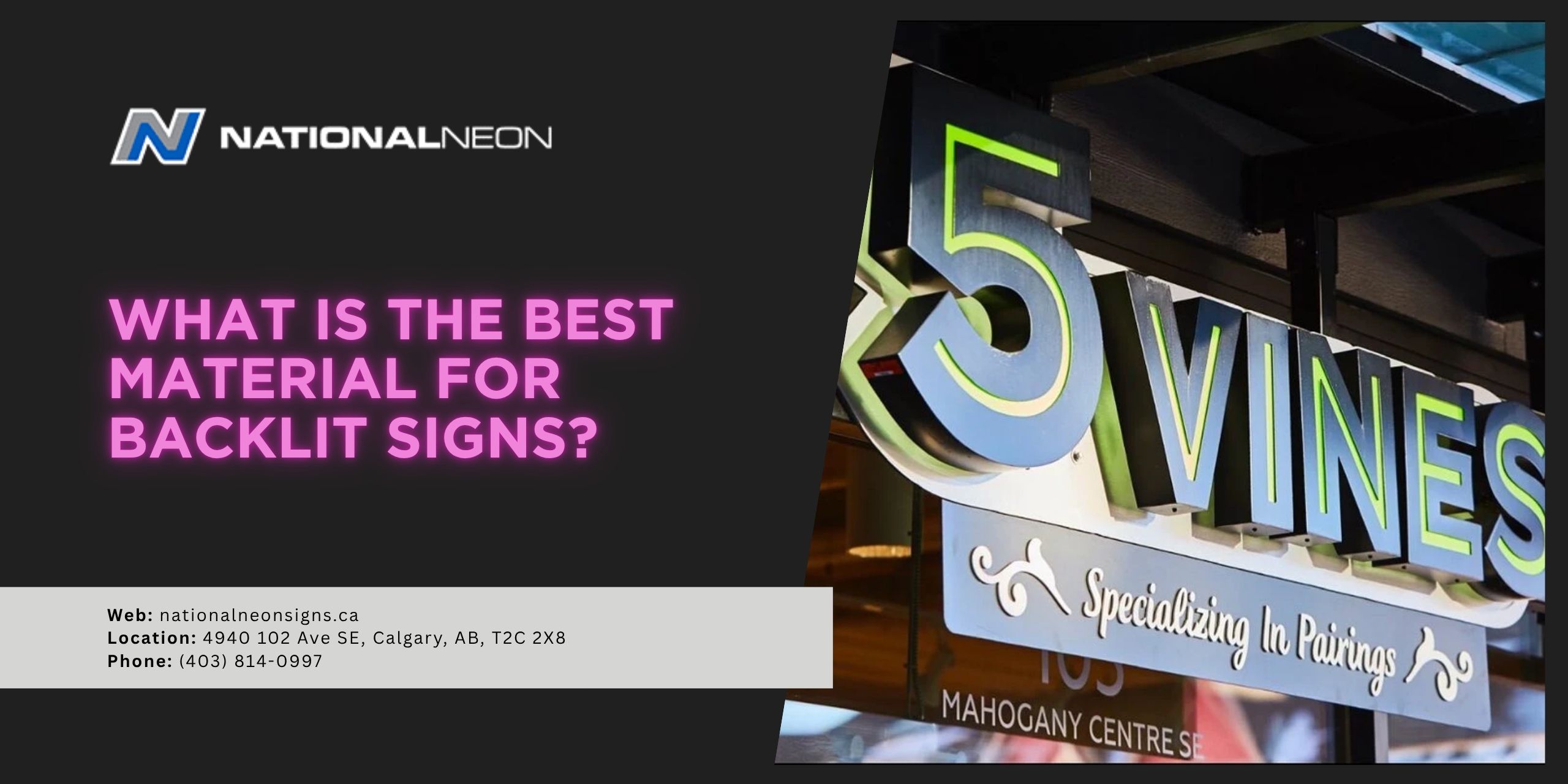
A backlit sign is an illuminated sign that uses internal lighting, typically LEDs, to shine through a translucent face or lettering. Some common examples include illuminated channel letters, cabinet signs, monument signs, or pylon signs. By lighting the sign from within, backlit signs remain highly visible both day and night or in low-light conditions.


What is the best material for backlit signs?

There isn’t a single “best” material for every backlit sign.  The right answer varies depending on your goals, budget, the size of the sign and where it will be installed. Acrylic is a common material used for backlit signs, but other options include polycarbonate, flexible face fabric, glass, or aluminum.


Let’s take a closer look:


Acrylic

Acrylic is the most popular material used for backlit signs. Why? It offers excellent light diffusion, creating a smooth, even glow across the entire sign face. Unlike some of its counterparts that can create bright or dark spots, acrylic produces a clean, professional appearance. It is highly durable and weather-resistant so it works for both indoor and outdoor applications. Acrylic resists yellowing over time and is available in various colours, finishes, and thicknesses.


Polycarbonate

Polycarbonate is another popular choice, particularly for signs installed in areas where durability is a top priority. Offering similar light transmission to acrylic, polycarbonate is much more impact-resistant, making it less likely to crack or break. This is great for high-traffic areas, locations that experience severe weather, or areas prone to vandalism. Although more expensive than acrylic, its added strength makes it a worthwhile investment for some businesses. 


Flexible Face Fabric (Flex Face)

Flexible face fabric is best used for large illuminated signs, such as those found on shopping centres, roadside pylon signs, or commercial buildings. Rather than using rigid plastic panels, these tensioned sign faces are lightweight, durable, wind-resistant, and capable of spanning much larger areas than acrylic or polycarbonate. Flexible face materials provide consistent illumination across oversized signs while reducing the overall weight of the structure. 


Glass

Glass can be used for certain backlit signs, but isn’t as common as acrylic or polycarbonate. It offers a sophisticated, high-end appearance and excellent scratch resistance, making it popular for upscale office buildings, hotels, or architectural signage. However, glass is heavier, more fragile and costs more to manufacture and install than other material options. As a result, it’s usually reserved for specialized projects where aesthetics are the primary focus. While glass can be used outdoors, it’s less common for exterior backlit signs due to its weight, cost, and increased risk of breakage. 


Aluminum

Although aluminum is not generally used as the translucent face, it impacts the overall construction of a backlit sign. Aluminum is the most common material used for sign cabinets and frames because it is lightweight, corrosion-resistant, and extremely durable. A high-quality aluminum frame protects the internal lighting system while providing long-lasting support for the illuminated face. Since aluminum doesn’t rust, it performs exceptionally well in outdoor environments and requires minimal maintenance over its lifespan.


How long do backlit signs last?

A well-built backlit sign can last up to 10 years or more with proper care. Modern LED lighting systems often last between 50,000 and 100,000 hours, while the sign face and cabinet can last even longer when made from quality materials.


A professionally designed backlit sign made with high-quality materials can enhance your business’s visibility and strengthen your brand for years to come. For more information, contact National Neon Signs today!

Read More
How to Make an Illuminated Sign Last
Business Signage, Digital Signage

How to Make an Illuminated Sign Last?

Your illuminated sign attracts customers and strengthens your brand around the clock. You want your investment to stay functional for as long as possible, but, even the most high-quality signs won’t last forever. Like any outdoor fixture, storefront signs are constantly exposed to sun, rain, snow, and wind, and experience normal wear and tear over time. 


Fortunately, modern LED signs are durable and with a few simple maintenance habits, your sign can last many years. Let’s get into what affects the lifespan of an illuminated sign and how you can help extend its lifespan.

How long does an illuminated sign typically last?

The lifespan of a storefront sign depends on its construction and maintenance. Generally, a high-quality illuminated sign can last anywhere from 10 to 20 years or more, while the lighting components may need to be replaced sooner. Modern LED illuminated signs are particularly durable, many LED modules are rated to last 50,000 to 100,000 hours. 


What affects the lifespan of an illuminated sign?

The lifespan of an illuminated sign depends on the quality of its components, environmental conditions, location, and how well it’s been maintained. Modern LED signs are durable. However, certain conditions can shorten their lifespan if not addressed.


Some of the biggest factors that affect how long an illuminated sign lasts include:


  • Quality of Materials: Signs made with durable aluminum, high-quality acrylic, and commercial-grade LED components typically last longer than those made with lower-quality materials.
  • Weather Exposure: Rain, snow, UV rays, wind, and extreme temperature fluctuations can gradually wear down the sign’s exterior and its electrical components.
  • Location: Signs installed near busy roadways, construction sites, or industrial areas may accumulate dirt and debris more quickly, requiring more frequent cleaning and maintenance to preserve their lifespan.
  • Installation Quality: A properly installed sign is less likely to experience issues such as water intrusion, loose mounting hardware, electrical problems, or premature wear. 
  • Hours of Operation: Signs that remain illuminated 24 hours a day will generally experience more wear than those that are turned off at night or outside of business hours.
  • Routine Maintenance: Regular cleaning and inspections help keep your sign in good working condition, allowing minor issues to be addressed before they become major problems. Consistent maintenance can significantly extend the lifespan of your illuminated sign.

How to make an illuminated sign last?

Although illuminated signs are built to last, a little preventative maintenance can go a long way. By caring for your sign over the years, you can extend its overall lifespan and reduce the risk of costly repairs.


Here are a few simple ways to help your illuminated sign last longer:


Clean the Sign Regularly

Keeping your illuminated sign clean extends its lifespan and helps maintain its professional appearance. As needed, remove dirt, dust, bird droppings, and other debris using a soft cloth or sponge with mild soap and warm water. Stay away from abrasive cleaners or rough scrubbing pads, which could scratch the sign’s surface or damage protective finishes. 


Inspect the Sign for Damage

Every few months, inspect your illuminated sign for signs of wear or damage. Check for cracked panels, loose mounting hardware, rust or corrosion, or frayed wiring. Consider inspecting your sign after severe weather as high winds, heavy rain, or hail can loosen components and cause damage. Identifying and addressing small issues can help prevent more extensive repairs in the long run. 


Protect Electrical Components and Replace Failing LEDs

Ensure that all wiring, power supplies, and connections are properly sealed and protected from moisture, especially in outdoor environments where rain and snow can take a toll on your sign. When needed, promptly replace any dim, flickering, or failing LED modules as soon as they appear. Addressing these issues prevents additional strain on other components and reduces the risk of larger electrical failures over time.


Turn Off Your Sign When Appropriate

Turning off your sign during non-business hours or whenever practical can reduce wear and tear on the lighting system and improve energy efficiency. For added convenience, consider installing an automatic timer so your sign turns on and off according to a set schedule.


Schedule Professional Inspections

Having your sign inspected periodically by a qualified sign company can help identify hidden issues before they lead to costly repairs. A professional can inspect the electrical components, wiring, mounting hardware, weather seals, and the structural integrity of your sign to ensure everything is operating safely and efficiently. 


Ready to create a custom illuminated sign that’s built to last? Contact us at National Neon Signs today to get started.

Read More