

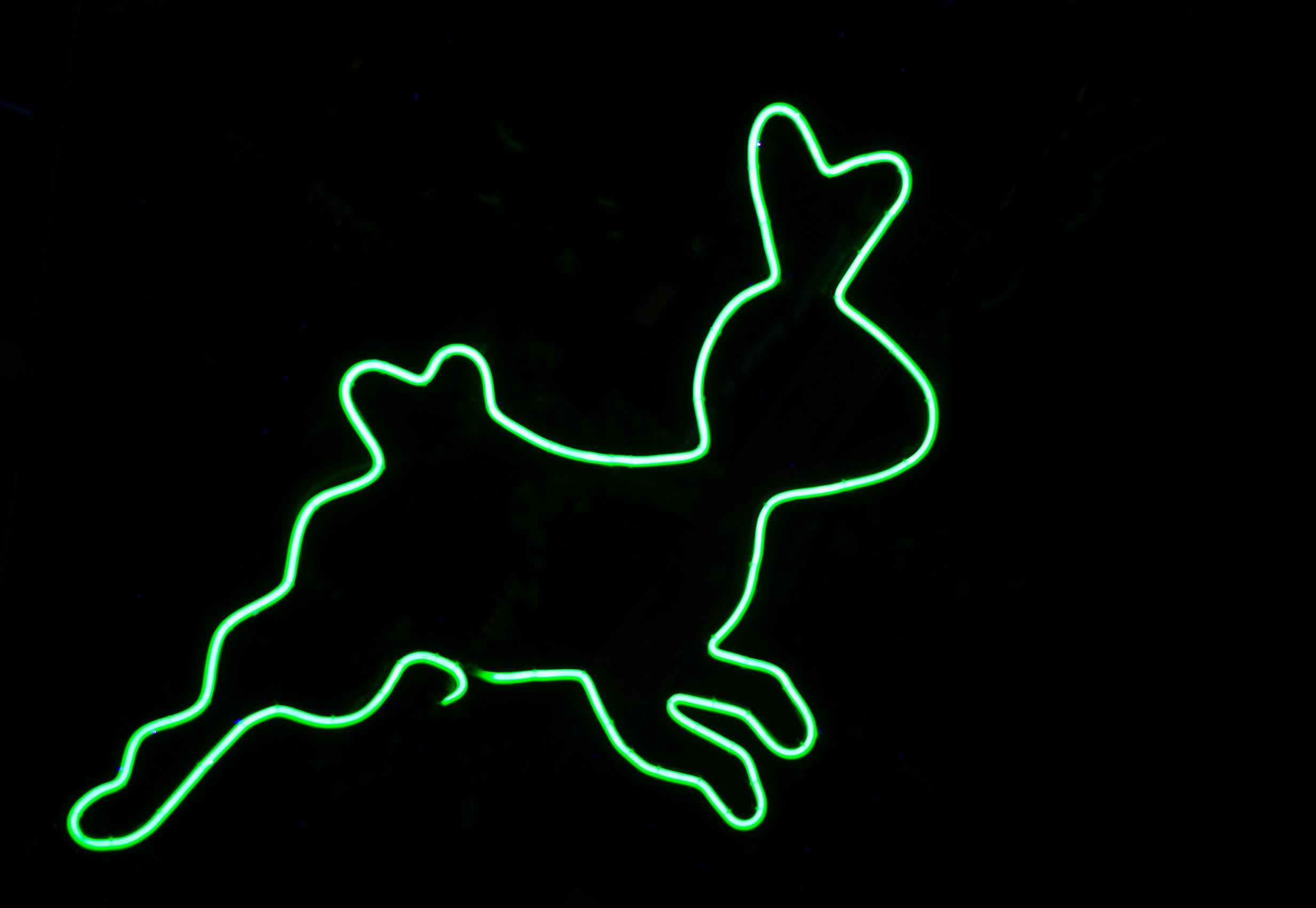
Bright, glowing neon signs have become iconic displays of commerce and entertainment: a colorful cityscape fueled by neon signifies the possibilities of the electronic age. Neon signs have been used in storefront displays and advertisements for more than a century; however, glass tube bending is often considered an endangered craft.
The art of neon sign glass tube bending is a specialized craft that demands both precision and strict safety measures. Skilled artisans use heat and manual techniques to shape glass tubes into custom designs and lighting effects. The process involves heating specific sections of the tubing until they become pliable, then carefully bending them to form letters, symbols, or other shapes. Once the design is complete, the tubes are filled with inert gases—such as neon or argon—which produce the iconic glow when an electrical current passes through.
Glass tube bending requires skill, precision, and experience. In this article, we’re going to take a detailed look at the art of neon sign glass tube bending process: craftsmanship at its best.
1. Design and Planning
A design or pattern for the neon sign is created and printed to scale on a fire-resistant sheet, which serves as a reference used to guide the bending process. This can be done either manually or with the help of computer software.
2. Heating the Glass
Skilled artisans use various burners to heat and soften the glass tubes so they become malleable. Typically, a ribbon burner using propane is used to heat specific sections of the glass tube, softening it to a pliable state. The temperature is high, around 1200°F or 650°C, until the glass reaches a state where it can be bent, twisted, and shaped into various designs.
3. Bending the Glass
The heated glass tube is then gently bent, following the pattern, to achieve the desired shape. A blow hose or other tools might be used to control the diameter of the glass as it’s bent. During this process, the bends are meticulously checked and adjusted against the pattern to ensure their accuracy and precision. Once the desired shape is achieved, any excess glass is carefully cut off with a glass cutter or similar tool. When necessary, separate glass sections are heated and fused together.
4. Adding Electrodes
Once the tubing is shaped, it is capped with electrodes. These electrodes are the connection point for the electricity source that powers the neon sign. Each separate tube that makes up the sign requires these connection points.
5. Bombarding
Bombarding is a technique used to remove impurities from the glass. A strong electrical current is passed through a vacuum-sealed glass tube, heating it and its electrodes, causing the impurities and other contaminants to be released and then pumped away. This process ensures a clean environment for the neon or other gases, resulting in a brighter, longer-lasting neon sign.
6. Gas Filling
The appropriate gas (typically neon or argon) is carefully introduced into the vacuum-sealed tube to the desired pressure. The tubing itself is sometimes coated inside with a powder called phosphor, which gives the tube a different color when lit, depending on which gas it is filled with. Occasionally, parts of the tubes that are not meant to be seen are “blocked out” or painted to further define the shape of the neon sign.
7. Sealing
The ends of the tubing are sealed using a heat torch or other sealant to prevent gas leakage. This step requires precision to ensure a tight seal. It’s crucial to perform a leak test after sealing.
8. Completion
The tubing is complete and ready to be mounted! It’s generally recommended to have a professional install your neon sign. Neon signs can be fragile and require careful handling during installation. A qualified electrician can ensure the sign is installed securely and safely.
Neon signs are regaining popularity, with many consumers finding themselves attracted to their warm, nostalgic glow. However, glass tube bending is considered an endangered craft, requiring years of training and experience. Due to the handcrafted nature of the process, each neon sign is unique. Today, modern neon signs are safer and more affordable than ever.
Whatever type of sign you want, National Neon can help – from the initial design to the final installation. Contact us today for more information!
